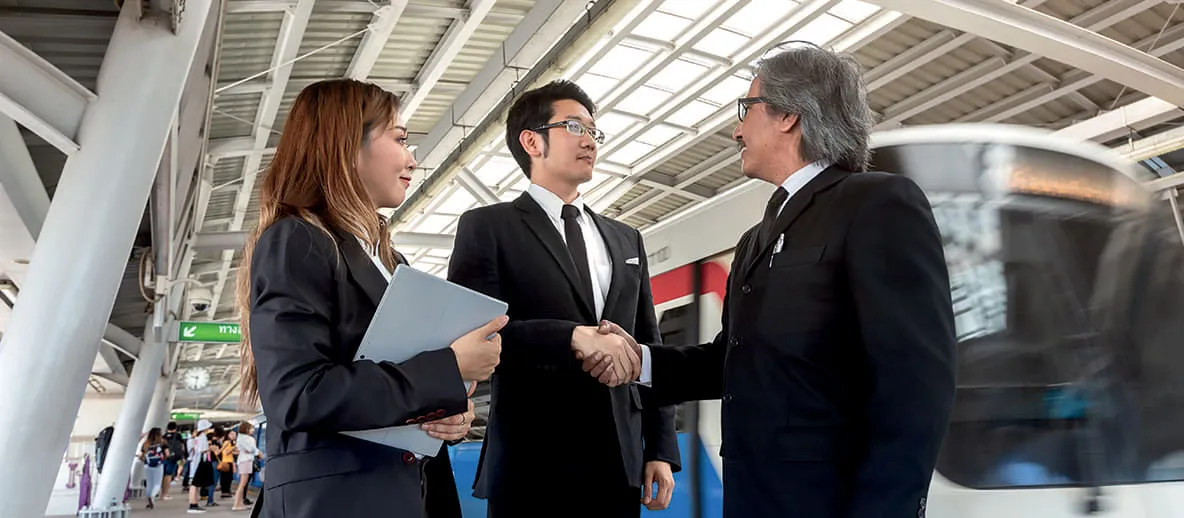
When moving to, or doing business in another country, cultural differences should be taken into account. Little things you may take for granted or not given a second thought to, could be different from the norm, or even offensive in a foreign culture.
Yes, workplace customs in another country can be quite different to what you’re used to.
Take a look at some of these tips and points of consideration below to ensure your business etiquette is en pointe ahead of that next big deal.
Australia
Australians are known for their laid-back lifestyle, but when it comes to business appointments, they are very punctual, more often than not.
With that in mind, it could be unwise to arrive late to a meeting in Australia. If you’re ever given deadlines to work it, it’d be advisable to stick to them where possible.
Spain
Spaniards value personal qualities and relationships. They often show interest in getting to know you before doing business. Business relationships frequently remain strong after they are established.
Spanish businessmen can be known to value face-to-face conversation more than telephone calls or email messages.
United Kingdom
Despite being known to have a more reserved nature, Brits can be friendly and humorous too. Their business culture is cooperative and open to multi-tasking. Light humour at work is used as a way to relieve tension in some instances.
Do not be surprised by humorous remarks from your co-workers. Humour is acceptable and accepted to form bonds among business team members.
France
The working environment in France is generally formal and conservative. Business meetings are usually brief, organized and very professional.
Avoid discussing personal life with someone you do business with. Business in France can be quite formal, and is usually kept separate from personal matters.
Germany
German work culture is based on the idea of hard work and punctuality. Apart from taking business very seriously, Germans value their privacy and usually keep their office doors closed.
Make sure to knock before entering someone’s office.
Saudi Arabia
Business meetings in Saudi Arabia are usually punctual, scheduled in advance and preferably held in the morning.
Be respectful of Muslim culture and avoid scheduling meetings during prayer times. Be also conscious of Ramadan – avoid drinking or eating in the company of someone observing the fast.
Nigeria
In Nigerian business culture, teamwork is highly valued, and it is vital to establish business relationships with associates. Business meetings can be very social in order to provide the framework for creating solid interpersonal connections.
The concept of personal space is almost non-existent for Nigerians – be tolerant and try not to tell people to stand back when they are speaking very close to you.
United Arab Emirates
In Islamic culture, the left hand is considered unclean and offensive to greet with.
Use only your right hand for handshakes, eating, or offering/receiving gifts.
Hong Kong
When doing business in Hong Kong, a handshake is the most common form of greeting, followed by the exchange of business cards. For added respect, print one side of the card in English and the other in Cantonese.
Business cards should be offered and received with both hands. When receiving a card, take a moment to examine it before putting it away.
Ecuador
Ecuadorians are generally warm and hospitable. It’s important for them to have a good relationship with people they choose to do business with.
Be prepared for small talk and varied questions before or during business discussions; be patient and wait for them to turn the conversation to the subject of work.
More tips
Find further advice on moving and living abroad by visiting our online expat culture content section.
Check out the best countries for working abroad according to Internations, the world’s leading expat network.